




 7 Min
In Practice scenarios

Follow this topic

Bookmark

Record learning outcomes
By Professor Paul Rutter, University of Portsmouth
Problem representation
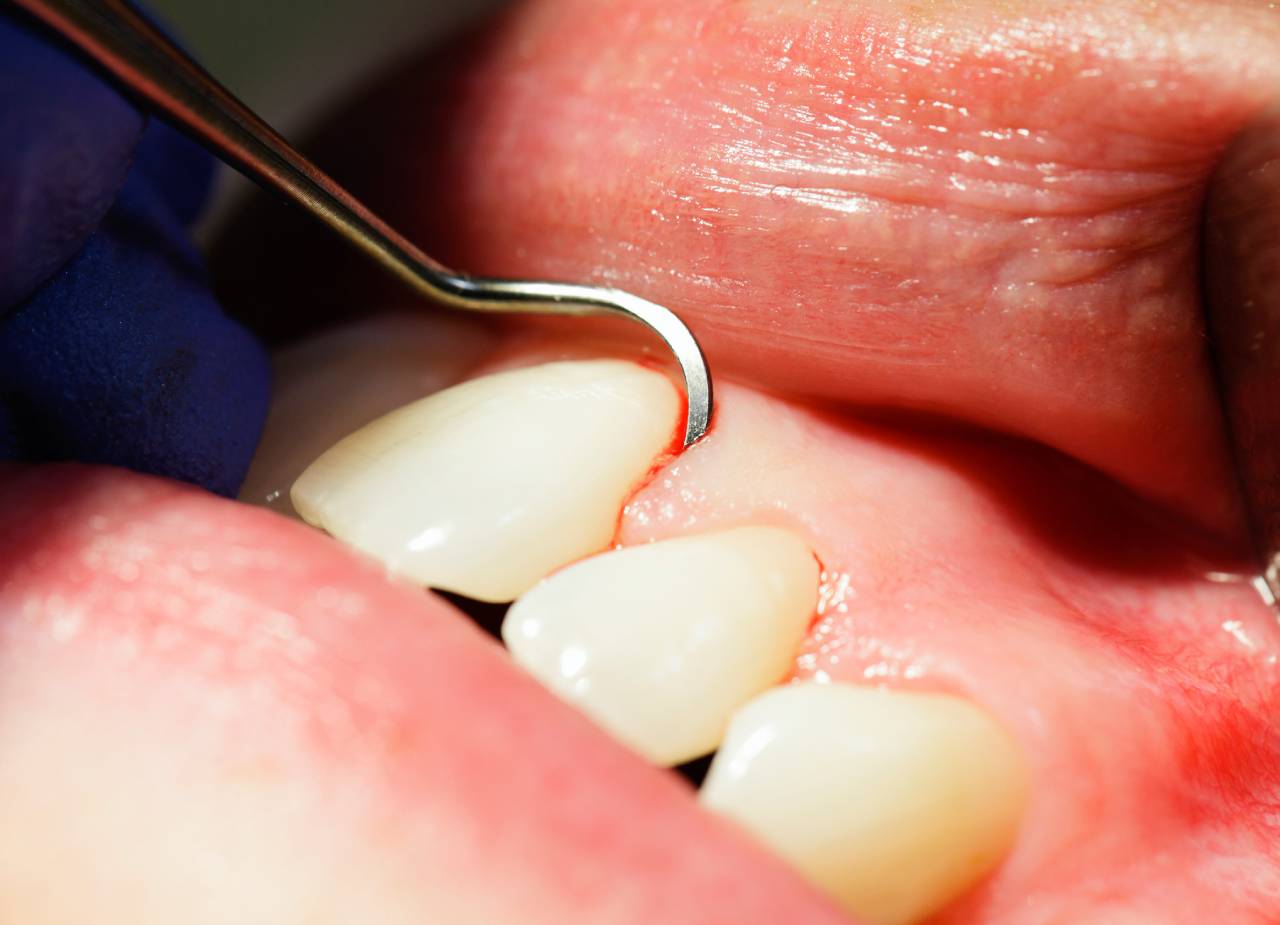
A middle-aged male with comorbidities presents with chronic spontaneous gum bleeding exacerbated by toothbrushing.
Hypothesis generation
Gingival bleeding is a common clinical presentation and is usually caused by localised pathology such as gingivitis or periodontal disease.
It is associated with cigarette smoking, nutritional status and poor oral hygiene. However, it may also indicate systemic disease, haematological abnormalities, nutritional deficiencies or adverse effects from medication.
Likely diagnoses
- Gingivitis
- Periodontitis
Possible diagnoses
- Acute necrotising ulcerative gingivitis (ANUG)
- Diabetes mellitus
- Medication
- Pregnancy (not applicable)
- Trauma
- Vitamin deficiency
Critical diagnoses
- Leukaemia
- Platelet disorders.
|
Key points: bleeding gums
|
Continued information gathering
Your patient is experiencing bleeding at times other than toothbrushing and his oral hygiene routine seems reasonable, which points away from gingivitis.
Periodontitis can cause spontaneous bleeding and is probably the most likely cause of his symptoms. As it is associated with other oral symptoms, such as taste disturbance and halitosis, you ask whether he has noticed these; he says he hasn’t. This suggests a less common cause may account for the bleeding.
Problem refinement
You know he does not have diabetes and, while trauma worsens the bleeding, it is not the underlying cause. He takes amlodipine for hypertension, which is known to cause gum bleeding, although this is uncommon.
You doubt vitamin deficiency is the cause, but you ask about his diet. He says he enjoys cooking, follows a flexitarian diet, and tries to eat plenty of fruit and vegetables, which appears to make diet an unlikely explanation.
His symptoms do not fit with ANUG, where rapid onset and systemic effects would usually be expected. Again, he says there are no other symptoms. The remaining possibilities are more serious pathologies, but these also tend to be associated with other symptoms, which can be vague and not obvious to the patient.
At this point, you are unsure of the differential diagnosis. The bleeding may be medicine-induced, but sinister pathology cannot be ruled out either.
Red flags
In general, the presence of fatigue and unexplained bruising should raise suspicion of haematological malignancy, although he does not report these symptoms.
Management
Self-care options
None.
Prescribing options
Given your uncertainty and because a sinister pathology cannot be discounted, a full blood count is required. Findings that would indicate malignancy or a haematological disorder include reduced haemoglobin, low platelet count, increased white blood cell count and a deranged coagulation profile.
Safety netting
You tell him that his bleeding may be related to gingivitis and could be associated with one of his medicines. However, as it has been happening for some time, blood tests are advised to check for a more serious underlying cause.
| Causes of bleeding gums |
|
Likely diagnoses Gingivitis Gingivitis is characterised by swelling and reddening of the gums, which bleed easily with trauma; for example when brushing teeth. It seldom causes spontaneous bleeding and is commonly painless, so many patients do not recognise the disease and fail to seek attention. Plaque may be visible, especially on teeth that are difficult to reach when brushing. Halitosis may be present. Periodontitis The commonest complication of gingivitis is the progression of inflammation towards the underlying tissue and bone, resulting in periodontitis. Symptoms are like gingivitis, but the patient will experience spontaneous bleeding, taste disturbances, halitosis and difficulty while eating. Periodontal pockets might be visible and the patient might complain of loose teeth. Possible diagnoses Acute necrotising ulcerative gingivitis This infection is characterised by sudden/rapid onset of very painful gums, ulcers around the teeth, halitosis and bleeding gums with minimal trauma. It mostly affects young adults (16 to 30-year-olds). Malaise, fever and cervical lymphadenopathy may also be present. Diabetes People with diabetes are at an increased risk of gum disease due to higher concentrations of glucose in the saliva that encourages the proliferation of bacteria. Medication The key medication culprits are anti-thrombotics and anticoagulants, including vitamin K antagonists (warfarin), direct thrombin inhibitors (dabigatran, rivaroxaban and apixaban) and heparin. Other medicines associated with gum bleeding include some biologics used in cancer therapy and, rarely, amlodipine and losartan. Trauma Trauma associated with overzealous toothbrushing or poorly fitting dentures can cause bleeding gums. Vitamin deficiency Vitamin C deficiency (scurvy) is rare but may occur in the elderly. It leads to defective collagen synthesis, causing bleeding gums and easy bruising. Early symptoms, prior to bleeding, include tiredness and irritability. Critical diagnoses Haematologic disorders Gingival bleeding can occur with various haematological disorders, including thrombocytopenia, platelet dysfunction, coagulation factor deficiencies and von Willebrand disease. Like leukaemia (below), these can cause bruising and bleeding elsewhere. Leukaemia Leukaemia causes thrombocytopenia, which can manifest as mucosal bleeding, easy bruising, petechiae or purpura, epistaxis, bleeding gums and heavy menstrual bleeding. Patients may also develop anaemia with symptoms such as fatigue, weakness, pallor and malaise, and may have increased susceptibility to infections. |
| Now check your knowledge of bleeding gums by answering the following questions: |
|
1. Haematological conditions may cause bleeding. Which ONE of the following is most strongly associated with bleeding gums and fatigue?
2. Bleeding on probing is best described as:
3. Which ONE of the following is the most appropriate first-line management for plaque-induced bleeding gums?
4. A patient presents with bleeding gums and poor wound healing. Which ONE of the following is most likely?
5. Which ONE of the following medicines is most likely to cause gum bleeding?
Answers: 1.a 2.b 3.b 4.d 5.b |

Share:


In Practice scenarios